The New Default. Your hub for building smart, fast, and sustainable AI software

Native Android Mobile App for Polaroid: 99.5% Crash-Free at Scale
Polaroid needed to extend its mobile app to support the newly launched Polaroid Lab, a device that turns smartphone photos into physical instant prints. We built a custom photo-collage engine, AR-based scanning, and ICC color profiles matched to real Polaroid film. The app scaled to 144,000 downloads and 44,000 active users while holding a 99.5% crash-free rate across 364 Google Play releases.
The company and product
Reviving an Icon With a New Print-From-Phone Device
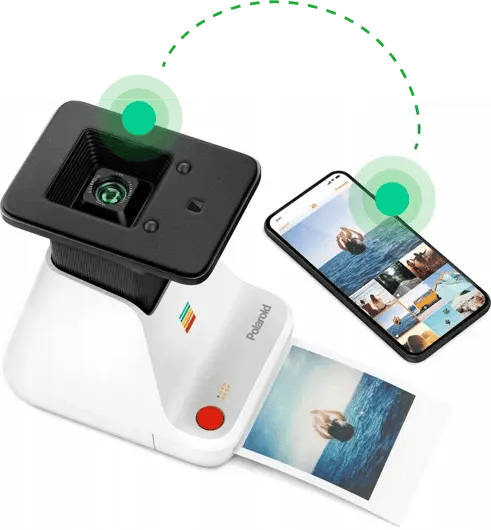
Polaroid, the original instant-photography brand, had reclaimed its name after operating as Polaroid Originals. Alongside its lineup of analog instant cameras, including the OneStep+, the company launched the Polaroid Lab: a device that reprints smartphone photos as physical, Polaroid-format instant film.
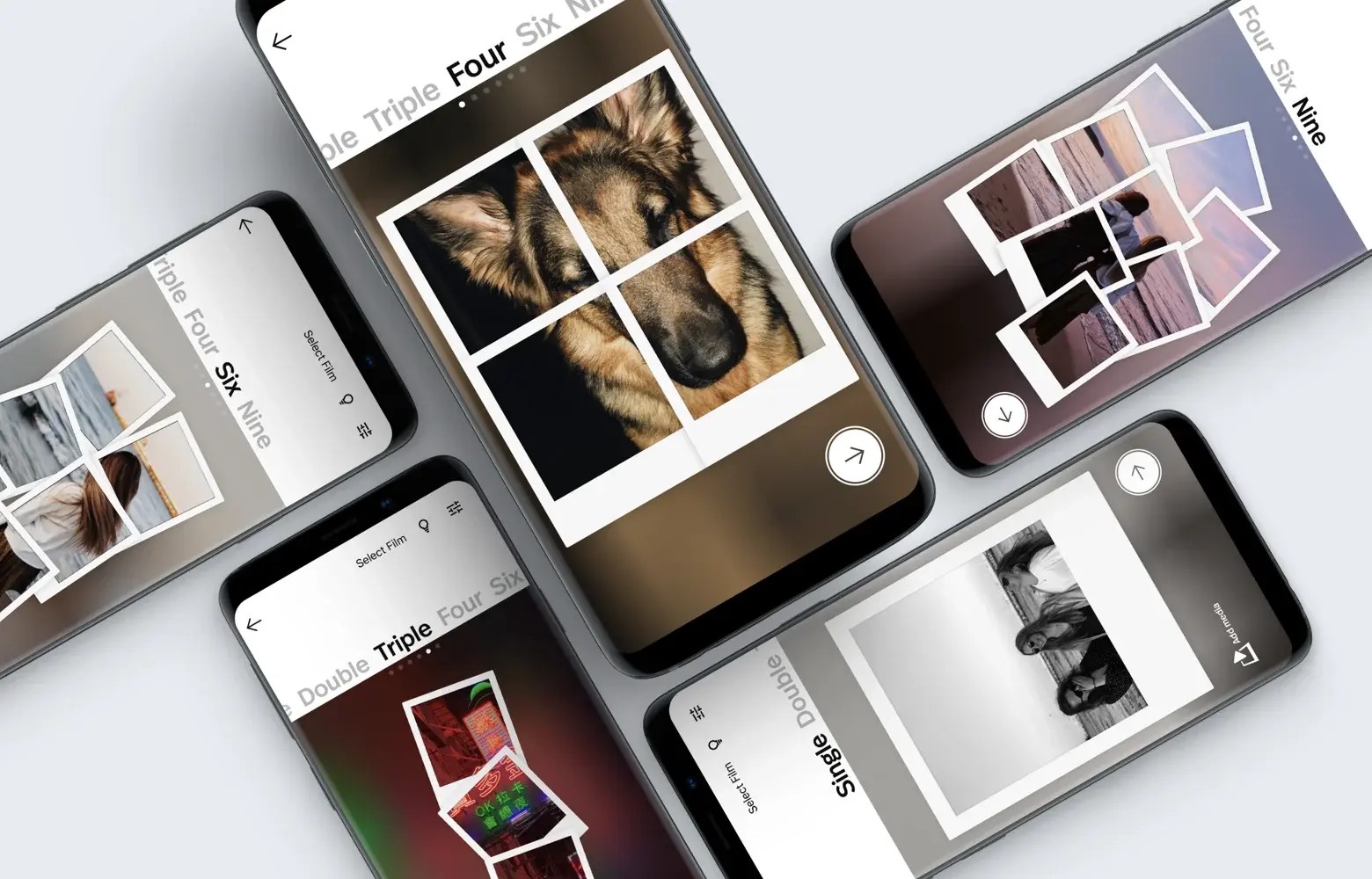
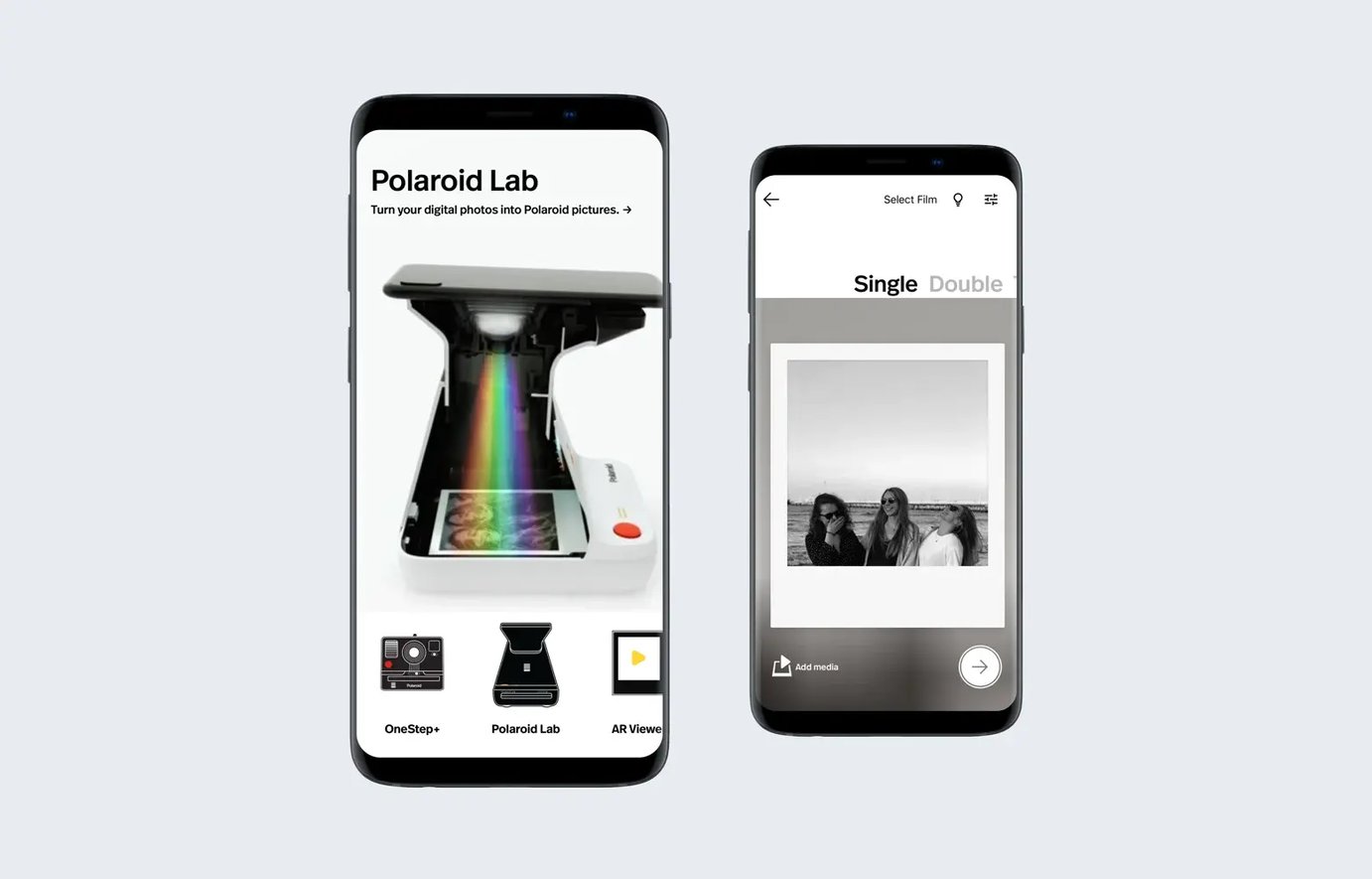
The existing mobile app supported the OneStep+ camera, but it wasn't built for the Polaroid Lab's core mechanic: turning a single digital photo into a correctly proportioned physical print, or splitting one image into several. Monterail extended the app to add the Lab's full feature set: image-splitting collages, AR-based photo enhancement, and print-accurate color reproduction, all while keeping the app stable for an already large install base.
KEY CHALLENGES OF THE PROJECT
Spanning Image Processing
For a collage layout without distorting the image's aspect ratio, we built a purpose-built, coordinate-aware component that calculates exact frame boundaries for each print size.
Triggering AR Effects from a Physical Print
Scanning a barcode printed on physical Polaroid Lab photos to apply AR-based film effects and save the enhanced result back to the phone's gallery, required building barcode-triggered AR scanning that links the physical print to its digital original.
Reproducing the Exact Look of a Reprinted Polaroid
Since no off-the-shelf ICC color profile matched the effect of physical instant film, the team built the color pipeline from the ICC specification up, tuning it so digital reproductions match a physically reprinted Polaroid.
Keeping the App Performing at Scale
Downloads climbing past 140,000 exposed memory-related buffering issues under real-world network conditions, which called for a dedicated buffering layer built to hold up where generic photo-buffer implementations failed under memory pressure.
OUR APPROACH
Why Build Custom Instead of Using Generic Photo Tools
Custom Coordinate-Aware Collage Engine
We built a purpose-made view component that calculates exact frame boundaries for each print size, so a single photo can be divided into up to 9 frames without unexpected stretching or cropping.
Barcode-Triggered AR Scanning
An AR scanning function was added so a physical Polaroid Lab print became the trigger for saving the digital original and applying custom on-screen film effects, extending the physical product's life on the phone.
ICC Color Profiles Built from Scratch
Rather than relying on a generic color profile, we built the color management pipeline from the ICC specification up, tuned specifically so digital reproductions are visually consistent with a physically reprinted Polaroid.
Custom Data Buffering System
A dedicated buffering layer was designed and shipped to prevent the crashes and slowdowns that generic photo-buffer implementations produce under memory pressure. It kept the app responsive as usage scaled past 140,000 downloads.
application functionalities
TECHNOLOGIES WE USED
| Layer | Technologies |
|---|---|
| Mobile | Kotlin, Kotlin Coroutines: core language and structured concurrency for the app's asynchronous image-processing pipeline |
| Programming Library | RxJava: composed the multi-step photo transformation pipeline feeding the collage, AR, and color-management features |
| Backend | Firebase: services and crash analytics supporting the app's 99.5% crash-free rate |
THE RESULTS
How to Scale Fast Without Sacrificing Stability
The rebuilt app shipped the Polaroid Lab's core features while holding up under real-world scale:
144,000 app downloads reached following the Polaroid Lab feature launch.
44,000 active users engaging with the app worldwide.
99.5% crash-free users, maintained despite downloads climbing past 140,000.
364 releases shipped to Google Play without disrupting the app's crash-free rate.
1,679 automated tests built to protect the custom collage, AR, and color-management logic from regressions.
CLIENT’S TESTIMONIAL

)
Reliable Delivery Partner
For us working with Monterail means to have a committed partner who is constantly proving to deliver a great mobile experience for the global market.
KEY TAKEAWAYS
Print-accurate color reproduction usually means building color management yourself
Off-the-shelf ICC profiles won't replicate a specific physical medium; matching a real Polaroid print required building the profile from scratch.
A dedicated buffering layer pays off once downloads cross six figures
Generic image-buffering approaches that work fine in testing can fail under real-world memory pressure at scale, so we built a dedicated buffering layer instead.
Hardware-tied features need custom view logic, not generic layout components
Splitting one photo into proportional print frames required a purpose-built, coordinate-aware component rather than a standard grid view.
Physical-to-digital links extend a hardware product's life
A barcode-triggered AR feature let a printed photo keep delivering value on the phone long after it left the tray.
case studies
Read more case studies like this
show allshow all


How Monterail Built a Pelvic Floor Training App for an FDA-Registered Medical Device
Elvie, a British FemTech company, set out to fix a gap in pelvic floor training: no reliable way to measure technique or progress. Monterail built native iOS and Android apps for the Elvie Trainer, an FDA-registered medical silicone device. The apps use Bluetooth Low Energy to deliver real-time biofeedback across six exercise types and four difficulty levels. The result: over 100,000 app downloads, a 4.6/5 App Store rating, and 12+ industry awards, including the Red Dot Design Award.
SMB
UK
Healthcare
iOS and Android development
Legacy modernization
UX/UI product design

Prototyping of Hardware and App for Pelvic Assessment and Diagnosis
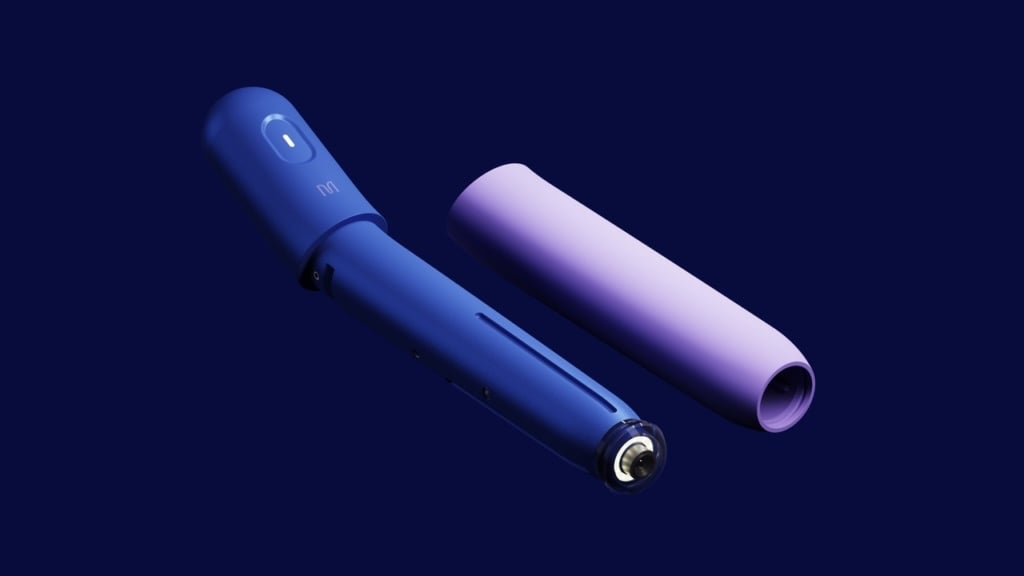
For Matrix Health & Care, we delivered a revolutionary, development-ready prototype for a pelvic assessment device and its mobile app. Our solution balances the complex technical demands of a medical device with a patient-centric design, poised to disrupt traditional gynecological care with its at-home diagnostic capabilities.
Startup
UK
Healthcare
MVP development
Product design
UX/UI product design

Need a Companion App for Your Product?
We build mobile apps that turn hardware releases into complete products, from custom color science to AR features that extend a product's life beyond the box.
Grzegorz Hajdukiewicz | Chief Delivery Officer
Get in touch to scope your projectGet in touch to scope your project