The New Default. Your hub for building smart, fast, and sustainable AI software

Lifeness: Health App for Obesity Treatment with AI Food Recognition
Lifeness, a Norwegian HealthTech company, wanted to build an obesity treatment platform that keeps patients motivated between clinic visits and supports the BankID sign-in clinics require. Monterail has built native iOS and Android patient apps, a React and Ruby on Rails clinician platform, AI food recognition, and the Livvy AI chatbot. Lifeness grew from a one-clinic pilot to 1,000+ users, and the app was recognized as an MDR Class I medical device.
The company and product
Building a Prescribable App for Long-Term Obesity Care
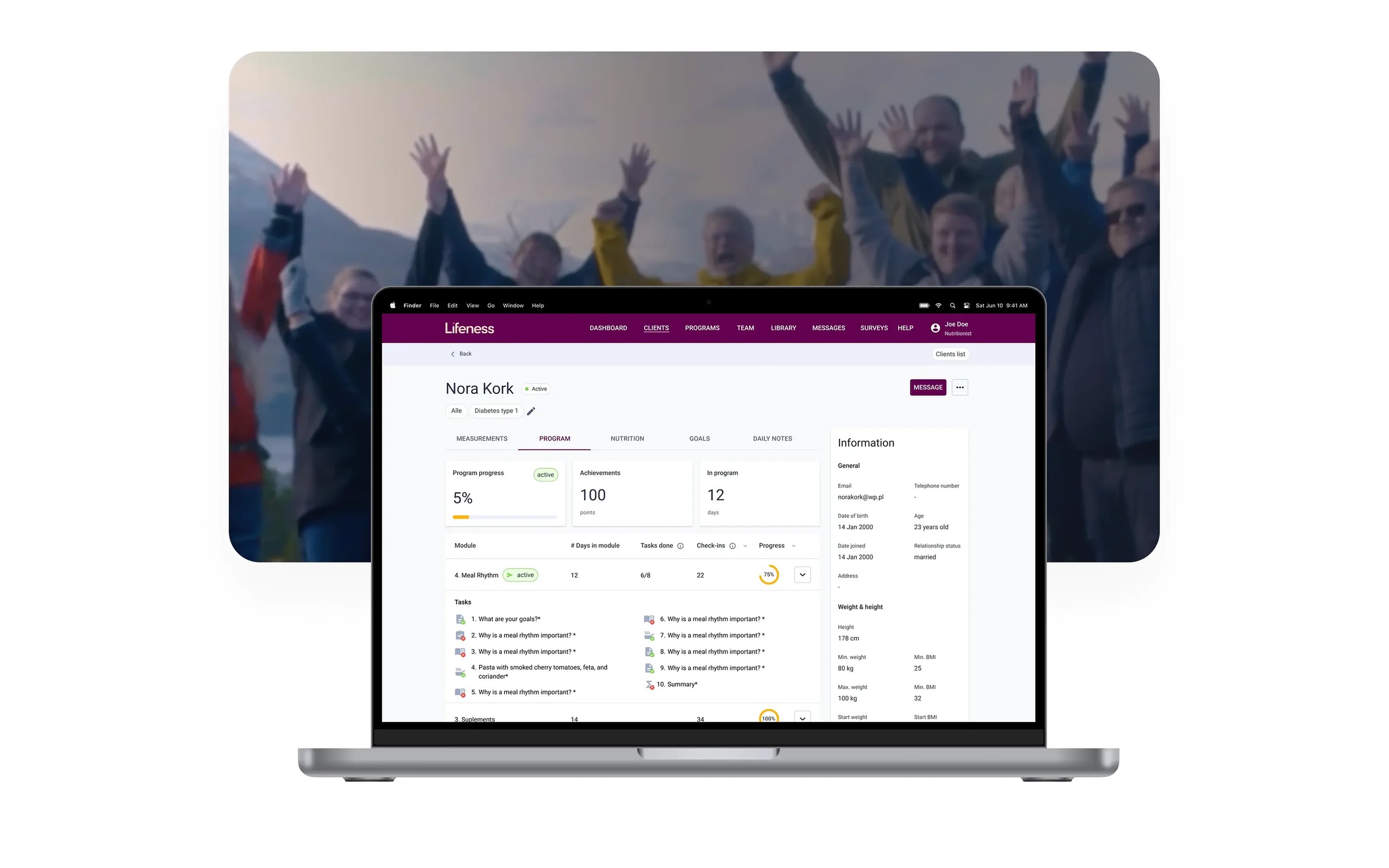
Lifeness is a Norwegian HealthTech company based in Tromsø and Oslo, founded in 2018 by a doctor specialising in lifestyle diseases and a fitness-industry entrepreneur. Its platform supports obesity treatment in two ways: clinicians follow their patients on a web platform, and patients use a mobile app for self-help between appointments. The product started as a pilot in a single clinic in 2019.
Lifeness needed a platform that doctors could prescribe and that patients would keep using between visits, after the first weeks of treatment. One app had to serve programs as different as gastric bypass preparation and emotional eating. Lifeness had to protect sensitive health data, as Norwegian clinics would not adopt it without BankID authentication. The app started as a pilot in a single clinic in 2019, but the business goal was to grow well beyond.
KEY CHALLENGES OF THE PROJECT
Motivation: patients lose momentum between clinic visits
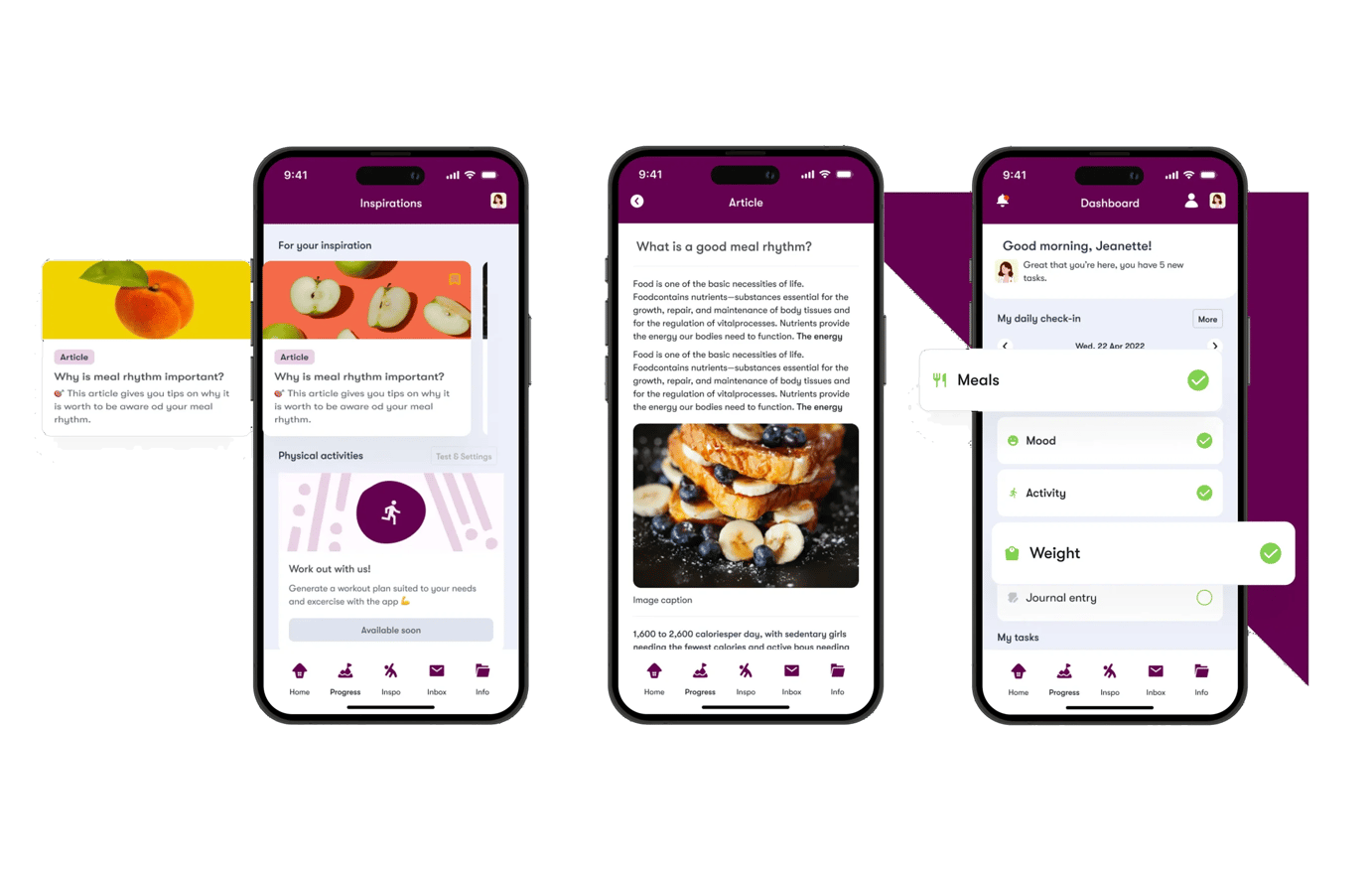
Each week, patients get one focus area, daily reminders, and an end-of-week review of their progress. The Lifeness Library provides curated educational content.
Personalization: one app has to cover a variety of programs
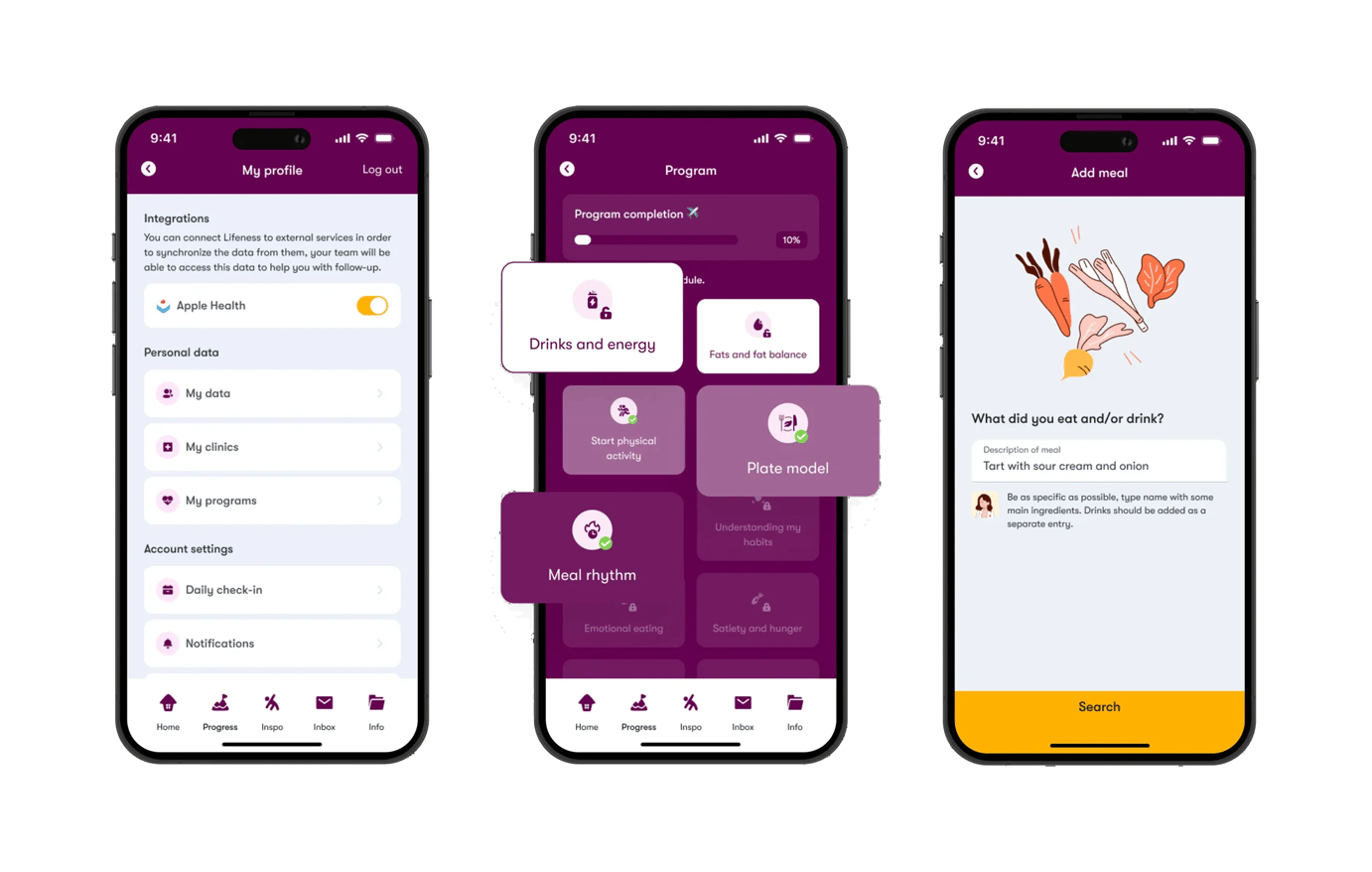
A short intake survey matches each patient to a program. Clinics use the Program Creator to write their own programs for their patient groups.
Logging effort: manual calorie entry discourages tracking
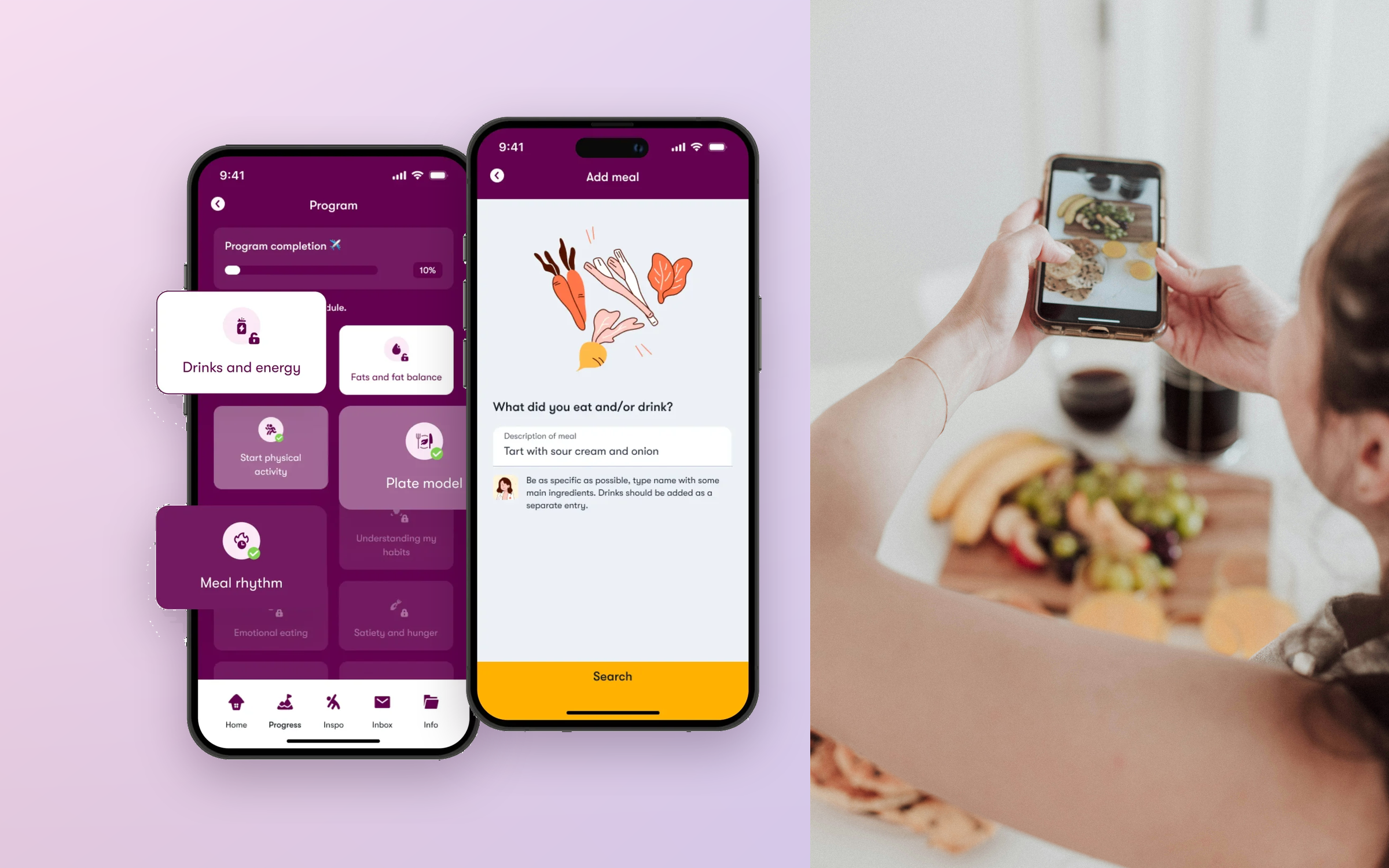
AI food recognition identifies the foods in a meal photo, so patients can log a meal without entering each item.
Support: patients need answers between appointments
Livvy, an AI chatbot, answers only from a curated, research-based knowledge base, so patients get vetted guidance. Patients can also message their care team in the app.
Security: sensitive health data and clinic sign-in rules
Monterail added BankID, which ties each clinician's login to a verified national electronic ID. Patients protect their data with a password and PIN.
application functionalities
TECHNOLOGIES WE USED
| Layer | Technologies |
|---|---|
| Mobile | Kotlin, Swift. Native apps follow each platform's own conventions, so daily check-ins felt familiar on Android and iOS. |
| Web frontend | React, TypeScript, Material Design. A component-based interface kept the clinician platform consistent as we added new program tools. |
| Backend and API | Ruby on Rails, GraphQL. One API served both the patient apps and the clinician platform. |
| AI | AI for food photo recognition and the Livvy chatbot. Livvy answers only from a curated, research-based knowledge base, so patients get vetted guidance. |
| Security | Password and PIN protection, BankID authentication. BankID tied each clinician's login to a verified national electronic ID. |
THE RESULTS
From a single-clinic pilot to a certified medical device
Lifeness app went from an uncertified pilot to a regulated product that clinics can use in patient care.
1,000+ patients on the platform, up from a single-clinic pilot in 2019
40,000 goals set by patients in the app
13,000 library reads of educational content
86% of patients reported feeling more motivated
CE-marked medical device (MDR Class I).
ISO 27001 certification for information security management
Top score from the Norwegian Directorate of Health in its assessment of the app in 2022
KEY TAKEAWAYS
Design for motivation before logging
In the Lifeness pilot, Monterail's user research moved the app's centre from food diaries to weekly goals and care-team contact, with logging kept as a supporting feature.
Let clinics write their own programs
With the Program Creator, one Lifeness app serves bariatric surgery candidates and patients working on emotional eating without a separate build per program.
Cut the effort of each log
Meal-photo recognition replaces item-by-item calorie entry, the step that makes diet tracking hard to keep up.
Scope national eID sign-in into the MVP
Norwegian clinics would not adopt Lifeness without BankID, which Monterail added after the pilot; teams selling to Nordic clinics should plan BankID or the local equivalent from the start.
FAQ: Healthcare Obesity Care App
case studies
Read more case studies like this
show allshow all


Elvie Trainer: How Monterail Rebuilt a Pelvic Floor Training App for iOS and Android.
Elvie, a British FemTech company that has been part of Willow since 2025, needed its FDA-registered Elvie Trainer to show women whether their pelvic floor exercises were working. Monterail team audited and rebuilt the native iOS and Android apps, adding Bluetooth Low Energy connectivity and real-time biofeedback across six exercise types and four difficulty levels. The app has passed 100,000 downloads and holds a 4.6/5 App Store rating and 12+ industry awards, including the Red Dot Design Award.
SMB
United Kingdom
Healthcare
Mobile app development
Legacy modernization
UX/UI product design


How Monterail Built Joii's AI-Powered Menstrual Health App Reaching 99% Scanner Accuracy
Joii, a Dublin-based femtech startup, wanted to turn photos of used period pads into quantified health data: flow volume, clot size, and cycle trends. Monterail built the iOS and Android app in Hybrid Flutter and developed a real-time image-analysis scanner that reached 99% accuracy, measuring flow volume in milliliters from a single photo. The app launched in 2025, is free on both platforms, and holds Class I Medical Device certification in the UK.
Startup
Ireland
Healthcare
AI integration
Cross-platform development
Proof of concept
Flutter

Need a Companion App for Your Product?
We build mobile apps that turn hardware releases into complete products, from custom color science to AR features that extend a product's life beyond the box.
Grzegorz Hajdukiewicz | Chief Delivery Officer
Get in touch to scope your projectGet in touch to scope your project