The New Default. Your hub for building smart, fast, and sustainable AI software
)
Table of Contents
TL;DR
Designing in the New Default is no longer about producing fixed artifacts or following linear phases. It's about shaping adaptive systems through strong human judgment, upfront clarity, and AI-accelerated execution. Designers work upstream to frame problems and align stakeholders, rely on manual expertise to guide AI effectively, replace guesswork with simulation and evidence, and focus their time on high-value decisions while automation handles repeatable tasks. As consistently articulated by The New Default, design becomes a continuous capability that connects intent to outcomes in real time.
Why Traditional Design Models No Longer Hold
Design is entering a new phase. One where traditional models built around linear handoffs, static deliverables, and sequential phases no longer match how products are conceived or built. As AI collapses the distance between intent and execution, the assumptions that once shaped design processes are starting to break down.
In contrast, the New Default points toward AI-native, real-time workflows in which planning, testing, and execution occur in tighter loops, often simultaneously. Designing becomes less about moving artifacts through stages and more about continuously shaping systems, decisions, and constraints as they evolve. This shift reframes design not as a discrete phase in a process, but as an ongoing capability embedded throughout how modern products are built.
What Does Designing Mean in The New Default?
Designing in the New Default means moving beyond creating static artifacts toward the intentional shaping of adaptive systems. Rather than producing final screens or fixed solutions, designers define rules, behaviors, and decision logic that allow products, services, and experiences to evolve continuously through data, AI, and context-aware personalization.
This shift disintegrated traditional boundaries between design, product, and engineering. Mockups increasingly turn into functional code, and speed is achieved not by skipping steps, but through clearer upfront planning, simulation, and rapid prototyping. These ideas are consistently articulated across the interviews with practitioners, and we keep on publishing on The New Default.

What Defines Design in the Context of The New Default?
In the context of the New Default, design is defined by how effectively systems adapt, decisions are framed, and intent is translated into reality over time. Designing now means shaping living systems, applying deep human expertise to guide AI, and focusing on the high-value work that happens before anything is built. Here are The New Default perspectives outlining what truly defines design.
Design as Continuous Adaptation
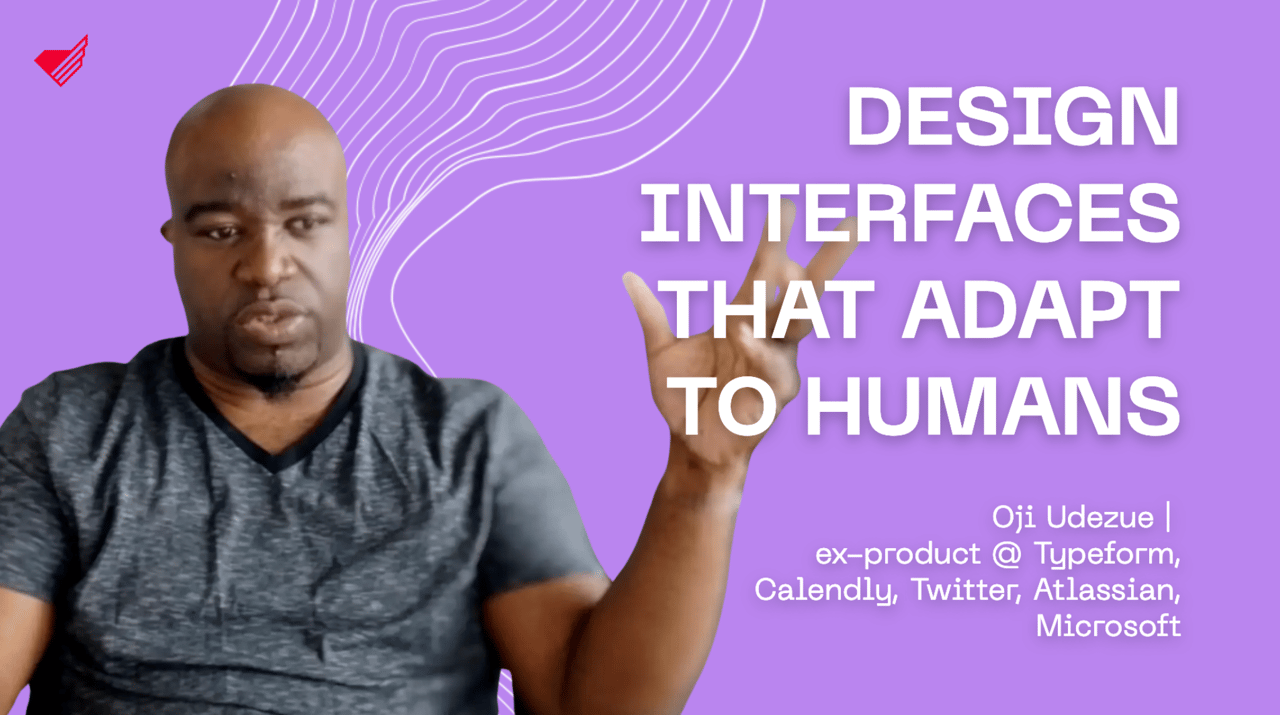
Design is about building adaptive systems that do not end with screens, mockups, or fixed interfaces. Instead, designers define rules, behaviors, and logic that enable continuous personalization and evolution. The "finished" design is a living system that responds to context and data.
Manual Expertise Comes Before AI
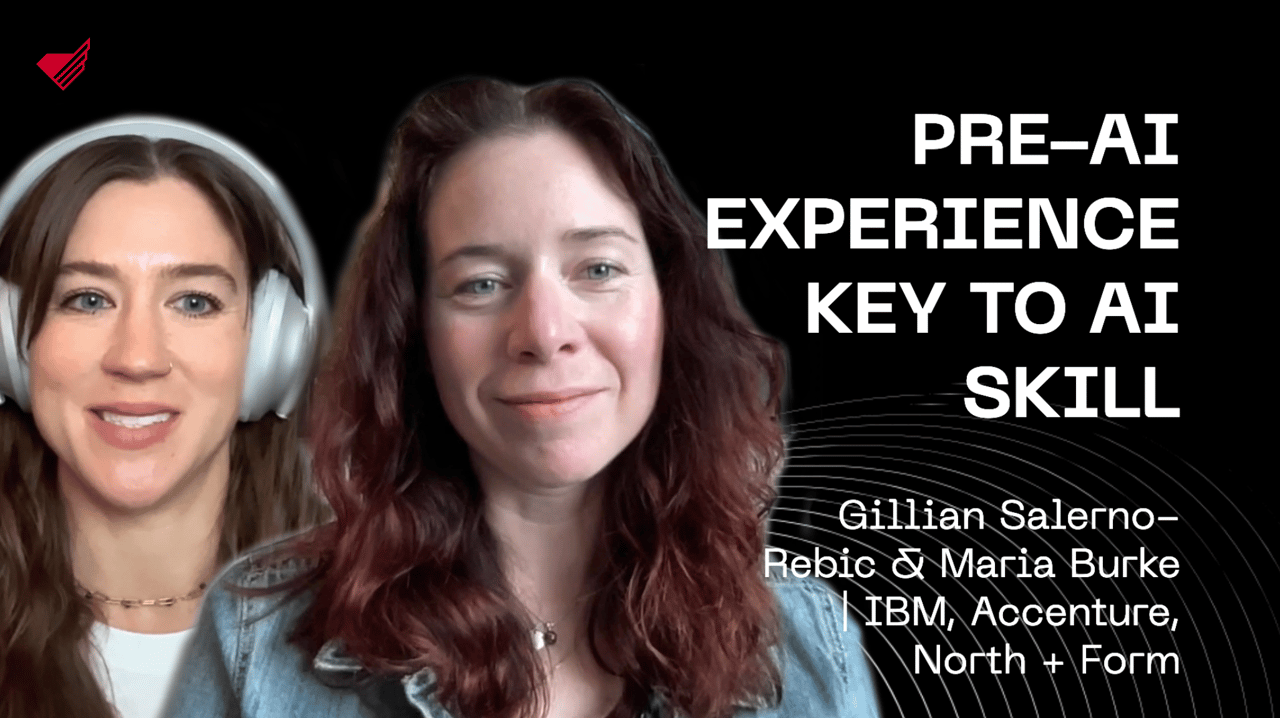
According to Gillian Salerno-Rebic and Maria Burke, manual expertise is the precondition for effective AI-driven design. AI does not replace design skill; on the contrary, it amplifies it. Strong analog fundamentals (craft, judgment, constraint awareness) are essential for directing AI, evaluating outputs, and avoiding superficial results. Their recommendation is not to rush with automating every process. Instead, recognize the areas that require human creativity and subjective judgment based on years of experience.
Human Facilitation Over Automation
Another factor defining design, according to The New Default, is that the human facilitators are central during workshops and problem framing. The most valuable design work happens before execution: facilitating workshops, aligning stakeholders, structuring decisions, and defining the real problem. The truth is, these high-context, human interactions resist automation and shape outcomes more than tools do.

Fast Design Through Detailed Planning
AI transforms the relationship between planning and execution by making detailed upfront planning the key to speed, reversing the traditional view that it slows teams down. It's the opposite, as with AI, precise requirements can be implemented very quickly. In this new paradigm, investing time in thorough but clear specifications enables AI to build functional systems rapidly and reduces costly misalignment later in the process.

How Does Designing Actually Work in The New Default?
Designers actively move between planning, testing, and execution—often generating working code, simulating user behavior, or validating decisions in controlled AI environments. This replaces speculative design with evidence-driven iteration, where ideas are proven before they are scaled.
As articulated across The New Default, effective design today depends on strong manual fundamentals, detailed upfront planning, and simulation-driven validation, allowing designers to concentrate on high-value human judgment while automation handles repeatable work. Below, we've explored the main directions that lay the foundations for The Ned Default Designing.
Design shifts from making screens to designing systems
Designing is no longer about static interfaces or final artifacts. Designers now define rules, behaviors, and adaptive logic that allow products to personalize and evolve continuously over time. The output is a system, not a screen.
Strong manual fundamentals are essential to effective AI-driven design
AI amplifies capability, but only when guided by deep hands-on experience. Designers with strong analog and craft foundations are better at directing AI, validating outputs, and avoiding shallow or misleading results.
Design moves upstream into problem framing and facilitation
The highest design impact now happens before execution, through workshops, alignment sessions, and structured decision-making. These human-centered, high-context interactions resist automation and define successful outcomes.
Speed comes from better planning and simulation, not skipping steps
Faster design cycles are achieved through clearer upfront intent and simulated testing, not rapid guessing. Designers increasingly validate ideas through modeled scenarios before committing to real-world execution.
Designers focus on high-value judgment while AI handles execution
Automation removes low-leverage tasks, allowing designers to spend more time on strategy, taste, ethics, and synthesis, areas where human judgment still clearly outperforms AI, especially in visual quality and decision-making.
Practical Activities in Modern Designing
Designers actively move between planning, testing, and execution—often generating working code, simulating user behavior, or validating decisions in controlled AI environments. This replaces speculative design with evidence-driven iteration, where ideas are proven before they are scaled.
Equally important are human-led activities that resist automation, such as workshops, facilitation sessions, and alignment exercises. These activities shape intent, constraints, and shared understanding early, enabling faster, more accurate downstream execution.
Key Takeaways from The New Default Experts:
Replace speculation with proof: Move from guessing to validating by using AI-driven simulations and modeled insights to test ideas before scaling them. This ensures design decisions are grounded in evidence rather than intuition alone.
Actively blend planning, testing, and execution: Encourage designers to move fluidly between defining intent, prototyping functional outputs, and validating outcomes. Mockups increasingly converge into working code, reducing handoffs and accelerating learning.
Preserve human facilitation where context matters most: Maintain strong human involvement in workshops, alignment sessions, and problem framing. These high-context interactions shape constraints, intent, and shared understanding in ways AI cannot replicate.
Use AI to support logistics, not replace judgment: Leverage AI for execution-heavy or logistical tasks—such as analysis, synthesis, or operational support, while reserving facilitation, judgment, and decision-making for experienced designers.
Invest in facilitation skills alongside AI capability: Train teams not only to use AI tools, but to lead effective workshops, structure decisions, and align stakeholders. These skills directly enable faster and more accurate downstream execution.
What is the Future of Designing?
Designing in the New Default is ultimately about where human judgment meets adaptive systems. As AI accelerates execution, the designer's value shifts decisively toward framing the right problems, defining meaningful constraints, and embedding intent into systems that can evolve responsibly over time. The expert perspectives published on The New Default consistently point to the same conclusion: the future of design is not automated creativity, but amplified expertise. Teams that invest in strong manual fundamentals, rigorous upfront thinking, facilitation skills, and simulation-driven validation will move faster, make better decisions, and create systems that remain relevant long after launch.
)
Barbara Kujawa
Content Manager and Tech Writer at Monterail

Barbara Kujawa is a seasoned tech content writer and content manager at Monterail, with a focus on software development for business and AI solutions. As a digital content strategist, she has authored numerous in-depth articles on emerging technologies. Barbara holds a degree in English and has built her expertise in B2B content marketing through years of collaboration with leading Polish software agencies.