The New Default. Your hub for building smart, fast, and sustainable AI software
Table of Contents
The biggest problem with picking a healthcare software development company is finding companies that have shipped software into a regulated clinical setting before, where the team knows what breaks.
Healthcare has been the costliest industry for data breaches for 14 consecutive years, averaging $7.42 million per incident in IBM's 2025 Cost of a Data Breach report, with a mean time to identify and contain of 279 days. Meanwhile the money keeps coming: U.S. digital health startups raised $7.4 billion across 244 deals in the first half of 2026, up from $6.4 billion in H1 2025, according to Rock Health data reported by TechTarget.
This article does two things. It profiles seven companies that build healthcare software, and it tells you what 2026 rates and build costs actually look like, which standards matter for which kind of product, and the questions that separate a vendor who has done this before from one who is about to learn on your budget.
Executive Summary
Hourly rate is the weakest predictor of total cost in a regulated healthcare build, because rework driven by missed compliance and integration requirements dwarfs the rate delta between regions. The seven companies below span $25 to $199 per hour and $10,000 to $75,000 minimum engagements, and the right tier for you is determined by your product's regulatory class and its integration surface, not by your budget preference.
A HIPAA-compliant MVP runs roughly $40,000 to $100,000 in 2026; an EHR-integrated enterprise platform starts around $250,000 and climbs past $500,000, with a single EHR integration adding $15,000 to $80,000 on its own. Teams that hold ISO 13485 and can produce IEC 62304 lifecycle records cost more per hour and cost less per shipped product when your software is a medical device.
Everything else being equal, the vendor who asks about your regulatory pathway in the first call is worth more than the one who quotes in it.
Top Healthcare Software Development Companies in 2026
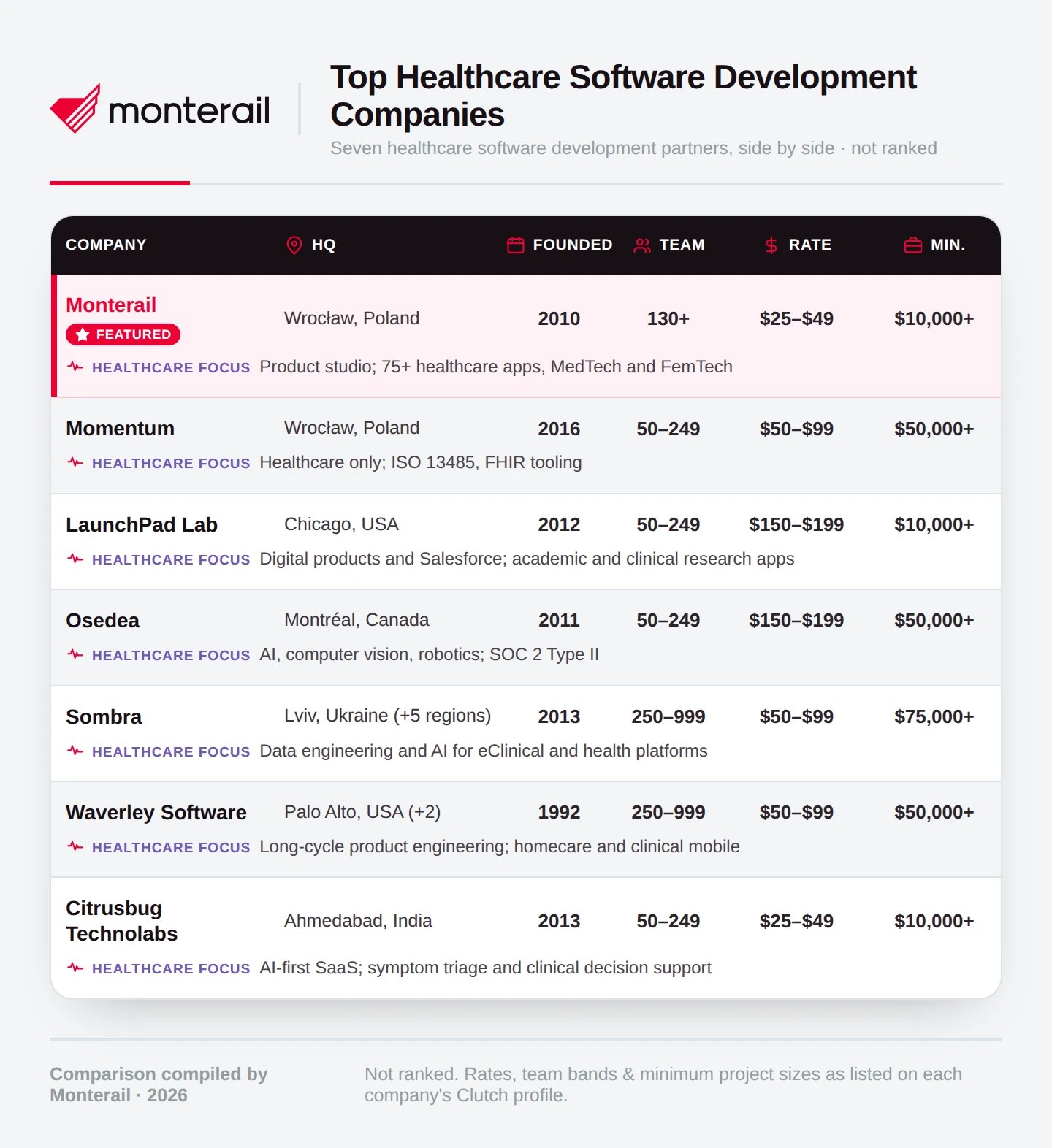
This list is not ranked. The seven companies were selected to show the range of what "healthcare software development company" means in practice: a 130-person European product studio, a healthcare-only specialist with a medical device quality certification, a Chicago digital product firm doing academic research platforms, a Montreal innovation shop pairing computer vision with dental hardware, a 400-person global engineering partner, a firm that has been building software since 1992, and an India-based AI product engineering team. They differ in region, price point, size, and specialism, and each one is a good answer to a different question.
Monterail appears first because this is the Monterail blog. The profiles are what matter; the sequence carries no judgment.
Monterail
Monterail is an agentic development company founded in 2010 in Wrocław, Poland, with 130+ in-house engineers, designers, and product people and 900+ projects delivered, of which 75+ are healthcare applications. Its client list includes Merck, Bosch, EY, DocPlanner, and SharkNinja, and it works across healthtech, MedTech, FemTech, fintech, proptech, and retail. Three acquisitions reshaped the healthcare side of the business: Untitled Kingdom, a MedTech product agency, in 2024, followed by EL Passion and Lakeview Labs in 2025. The company reports a current NPS of 71, holds official Vue.js and Nuxt partnerships, and has appeared in Deloitte's fastest-growing rankings and the Financial Times 1000.
Example Project by Monterail
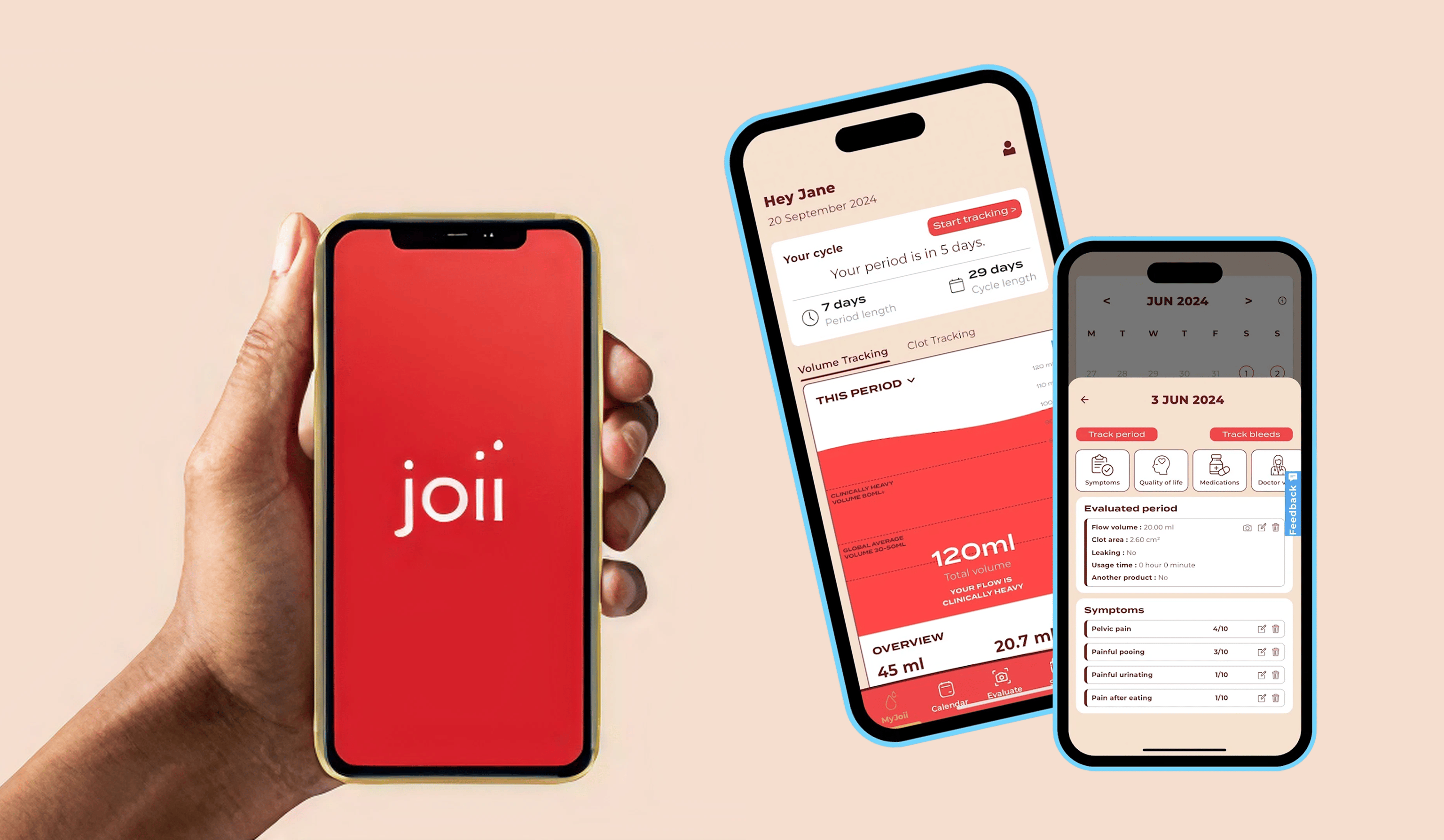
Joii, a Dublin femtech startup founded by Justyna Strzeszynska, wanted to turn a photograph of a used period pad into quantified clinical data: flow volume in milliliters, clot size, cycle trends. Nobody had done it. Monterail built the iOS and Android apps in hybrid Flutter and developed a real-time image analysis scanner that had to work across the lighting conditions and camera angles of an actual bathroom, then integrated it with both platforms. The scanner reached 99% accuracy in image processing. Joii launched in 2025, free on both stores, holding Class I Medical Device certification in the UK and protected by multiple patents. Users can now bring measured numbers to a doctor instead of adjectives. Read the Joii case study.
How Much Does Monterail Healthcare Development Cost?
Monterail's Clutch profile lists an average hourly rate of $25–$49 and a minimum project size of $10,000+, with a cost rating of 4.4/5. Actual engagements have ranged from $30,000 to over $1 million, and the most common custom software project size across 19 reviews falls in the $50,000–$199,999 band. That rate sits at the bottom of the European range in the benchmark table below, which makes the low minimum unusual for a company of this size: most 100-plus-person studios price discovery work out of reach for early-stage teams.
What Do Clients Say About Working With Monterail?
"We moved from reactive scheduling to proactive, data-driven decisions. The ability to see a prototype in one day and scale it to an enterprise-ready solution so quickly was a game-changer for our resource management." - Bram Verstraeten, Senior Project Manager, SPIE Belgium
"I was impressed with the speed at which Monterail was able to grasp a complex and niche industry and translate that into a clear and practical system structure. I have confidence in their understanding of both the product vision and commercial context." - Amelia Christie, Limited Director, Christie Constructive
"If you want to outsource your coding to the lowest hourly rate, then Monterail aren't for you. If you want to build winning products at pace, then Monterail need to be on your shortlist." - Alan Buxton, CTO, Simfoni
Why Do Businesses Choose Monterail?
Onboarding is repeatedly described as fast, with reviewers saying the team integrates into their own instead of operating as a separate vendor
Deep bench in Ruby on Rails, React, Vue, Flutter, and React Native, backed by official Vue.js and Nuxt partnerships
Strong MVP and prototype track record, including products that went on to earn medical device certification
The MedTech and FemTech capability is bought and staffed, not claimed, via the Untitled Kingdom acquisition
Wrocław hours overlap with both the UK and the U.S. East Coast, and the pricing lets you start small and scale the engagement
Momentum
Momentum is a healthcare-only software company, also based in Wrocław, Poland, founded in 2016 as Applover and renamed in 2024, having turned toward HealthTech in 2020. It reports 100+ healthcare applications delivered since 2016 and 220+ projects overall. The differentiator is a set of open-source accelerators the team maintains and gives clients access to: Terraform HealthStack for standing up HIPAA-compliant infrastructure, FHIR-based EHR integration frameworks, an AI Notetaker for medical documentation, and FHIRboard for health data analytics. Momentum holds ISO 13485 certification for medical device software development and has appeared in the FT1000 (2023 and 2024), Forbes Diamond (2023), and Deloitte Fast 50. Clients include Kilo Health, Egis Pharmaceuticals, Telemedi, and Caily.
Example Project by Momentum
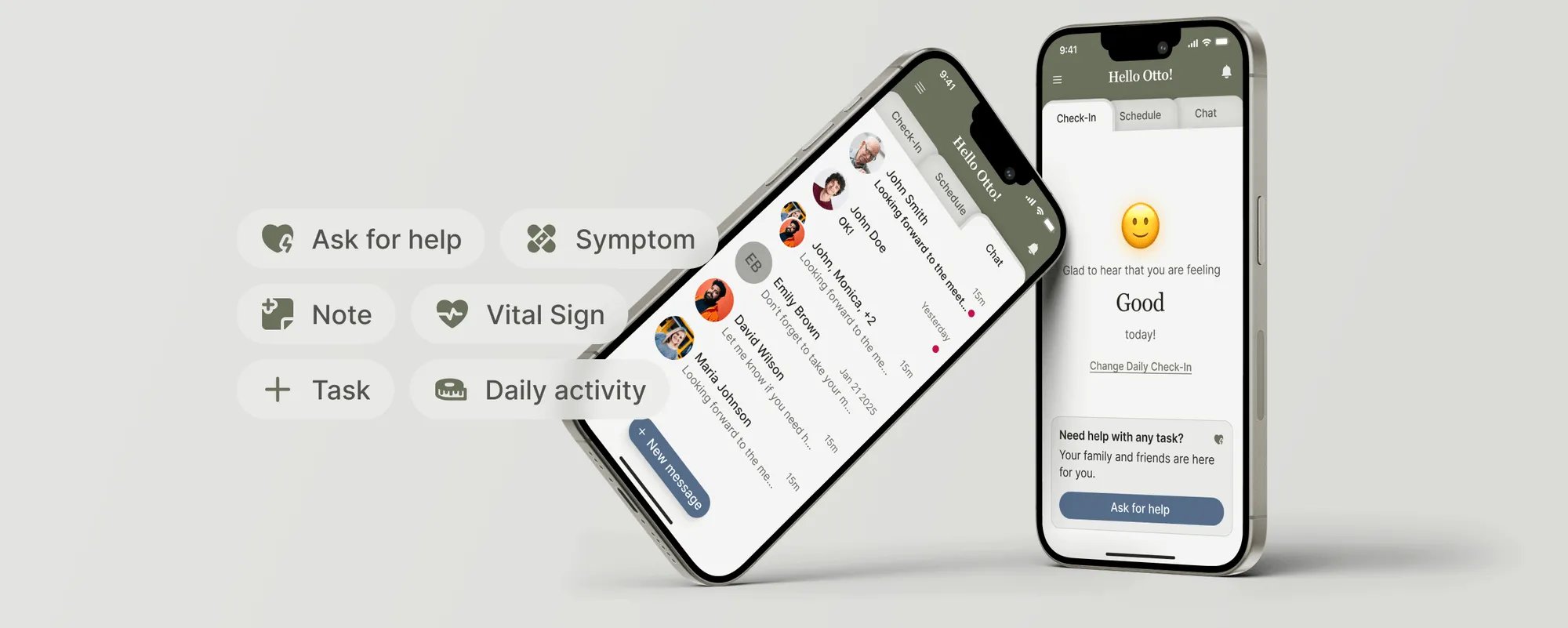
Wynter Johnson founded Caily after coordinating her grandmother's care across siblings, spreadsheets, and group texts, the same gap 53.4 million American family caregivers fall into. Momentum built the platform from zero: Ruby on Rails and PostgreSQL for the permission modeling, Flutter for iOS and Android, React for web, HIPAA-ready infrastructure on AWS, and an EHR connectivity layer targeting Epic, Cerner, AthenaHealth, Allscripts, and others. The hard part was not the integrations. It was building permission logic that lets an 80-year-old care receiver share a mood entry with one daughter and not the other son, without turning coordination into chaos. Caily launched on schedule in July 2025 across iOS, Android, and web, with all five MVP modules delivered on time and on budget. Read the Caily case study.
How Much Does Momentum Healthcare Development Cost?
Momentum lists $50–$99 per hour and a minimum project size of $50,000+, with the highest cost rating in this list at 4.8/5. The most common project size across 13 reviews is $10,000–$49,999, which sits below the stated minimum and suggests smaller follow-on work with existing clients. The rate is roughly double Monterail's despite the same home city, and the honest reading is that ISO 13485 and a dedicated healthcare R&D team are things you pay for per hour and save on later.
What Do Clients Say About Working With Momentum?
"What impressed us most was Momentum's deep understanding of the healthcare technology ecosystem combined with their technical expertise. Their team didn't just build what we asked for—they brought valuable insights that improved our product." - Wynter Johnson, President & Co-Founder, Caily
"The way Momentum presented their proposal was incredibly clear and comprehensive. I could walk into a meeting with our investors, show them the detailed breakdown of resources, timelines, and deliverables, and feel confident that we were making the right decision for Caily's development." - McKenna McCormick, Vice President & Co-Founder, Caily
"What I found most impressive about Applover is their ability to navigate complex challenges with ease and efficiency. They demonstrated high proficiency in adapting our app to handle diverse and complex medication schedules." - Tomasz Smal, Senior Digital Marketing Specialist, Egis Polska
Reviews from before the 2024 rebrand refer to the company as Applover. A few clients also flagged that early technical communication was pitched too high for non-technical stakeholders, though the same reviews note the team adjusted.
Why Do Businesses Choose Momentum?
The healthcare toolkit is real and reusable: Terraform HealthStack, FHIR integration frameworks, and FHIRboard ship with the engagement, so nobody rebuilds them per client
ISO 13485 certification means the quality management system for medical device software already exists and has been audited
Clients single out compliance work in regulated sectors as a strength, not a bottleneck
Project management scores highly on clear milestones and on-time delivery across reviews
If your product is only healthcare, a vendor whose entire portfolio is only healthcare removes a translation step
LaunchPad Lab
LaunchPad Lab is a Chicago digital product firm and Salesforce implementation partner, founded in 2012, with 50–249 employees, 760+ projects launched, and 250+ clients. The company reports that over 90% of clients stay past the first year, and holds a 4.8/5 overall Clutch rating. Its service mix is unusually broad for a product shop: AI consulting and development make up 35% of the business, CRM consulting another 20%, with web and custom software filling out the rest. In healthcare it works most visibly with academic medicine, where the binding constraints are institutional review, accessibility, and data collection measured in years.
Example Project by LaunchPad Lab
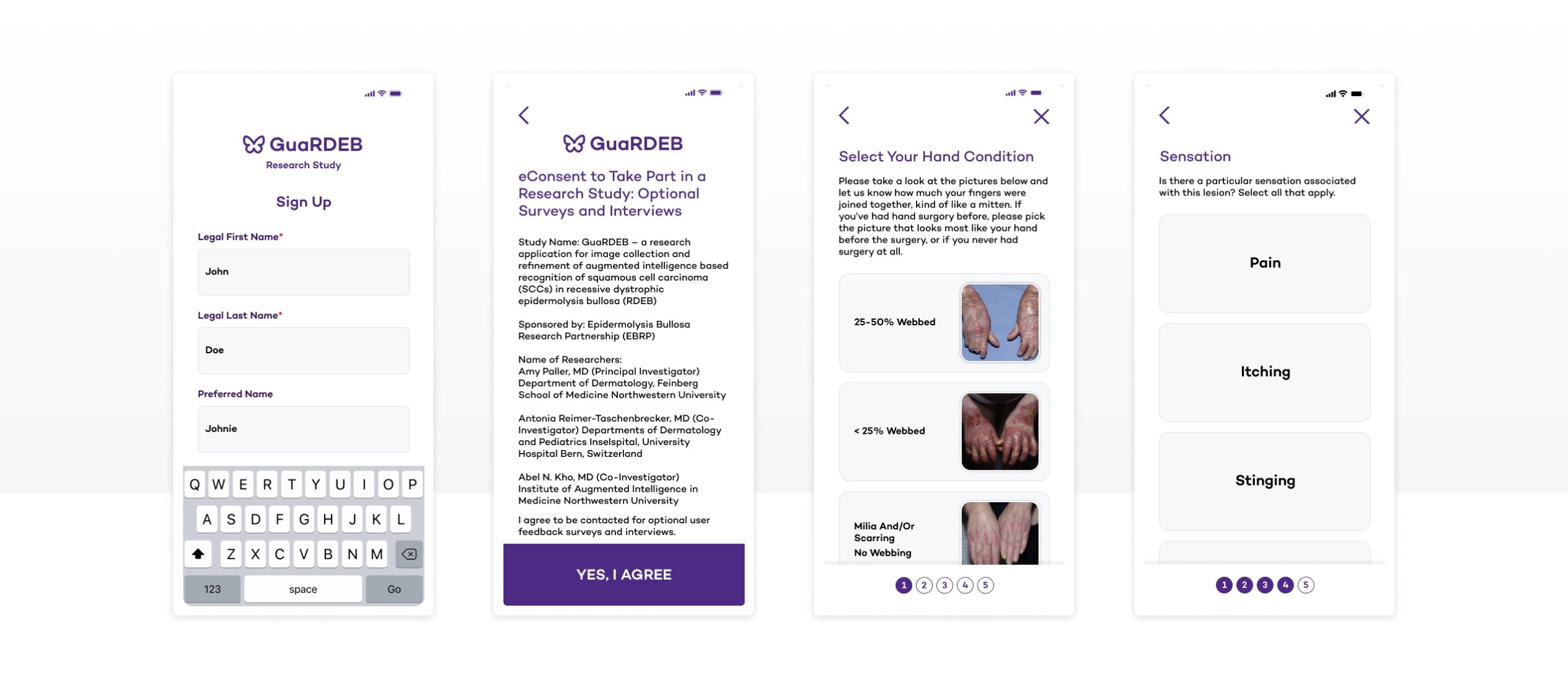
Patients with Recessive Dystrophic Epidermolysis Bullosa carry a high risk of aggressive cutaneous squamous cell carcinoma, a leading cause of premature death in severe cases, which makes fast lesion review a clinical necessity. Northwestern University's Department of Dermatology, led by Dr. Amy S. Paller, and its Institute for Artificial Intelligence in Medicine had the AI methods but no usable workflow. LaunchPad Lab ran a structured Blueprint Workshop covering enrollment, consent, image capture, and clinician review queues, then built GuaRDEB, a progressive web app in React, Ruby on Rails, and Ionic. Consented participants submit wound images from any phone browser, with automated image quality pre-checks; clinicians triage through a dedicated portal. The design brief included participants with mobility limitations, and the architecture targets longitudinal collection over months and years, not a single submission window. Read the Northwestern case study.
How Much Does LaunchPad Lab Healthcare Development Cost?
LaunchPad Lab lists $150–$199 per hour with a minimum project size of $10,000+ and a cost rating of 4.5/5. Reported engagements run from $20,000 to over $1 million, with the most common custom software project landing in $50,000–$199,999 across nine reviews. That rate is squarely U.S. onshore, and the low entry point makes the Blueprint Workshop a realistic way to buy a scoped, de-risked architecture without committing to the full build.
What Do Clients Say About Working With LaunchPad Lab?
"They never trivialized our issues or concerns. Every member of the team was extremely competent and professional and fun to work with. It felt like a true partnership. Like we were all in it together and they were going to get the problem solved." - John Remby, Director of Business Systems, Lamacchia Realty
"LaunchPad Lab has done what they said they were going to do. They committed to a goal, and they met it. I know it's really simple, but it's really important." - Chad Shoemaker, CEO, Flexco Fleet Services
"LaunchPad Lab came up to speed on our business very quickly. Given that we don't fit nicely into a box, the team did a great job of understanding the intricacies of our business and translating them." - Pat West, VP, Apex Leaders
Some clients report friction in the early alignment phase, particularly around design expectations. The reviews describe it as resolved through iteration, which is a slower and more expensive way to get there than scoping it properly upfront.
Why Do Businesses Choose LaunchPad Lab?
The Blueprint Workshop produces a validated prototype plus architecture decisions, which several clients used to strengthen funding readiness before committing to a build
U.S. onshore delivery with a single time zone spread, which matters for institutions with in-person governance and review cycles
Rare combination of product engineering and Salesforce implementation, useful when the clinical app has to meet a CRM-shaped back office
Reviewers consistently describe measurable business outcomes, including new revenue lines and reduced training time
Retention above 90% past year one is a stronger signal than any single project
Osedea
Osedea is a Montréal innovation firm founded in 2011, with 50–249 employees working across artificial intelligence, software engineering, digital product design, data engineering, and robotics. AI development alone is 35% of its service mix, with AI agents another 15%. The firm has been SOC 2 Type II compliant since 2022, is an AWS Select partner and certified Google Cloud shop, partners with Mila, Quebec's AI research institute, and is a Boston Dynamics solutions partner. It operates without formal hierarchy, describing the team as intrapreneurs. Recognition includes Montreal Top Employers 2024 and Canada's Top Growing Companies 2023.
Example Project by Osedea
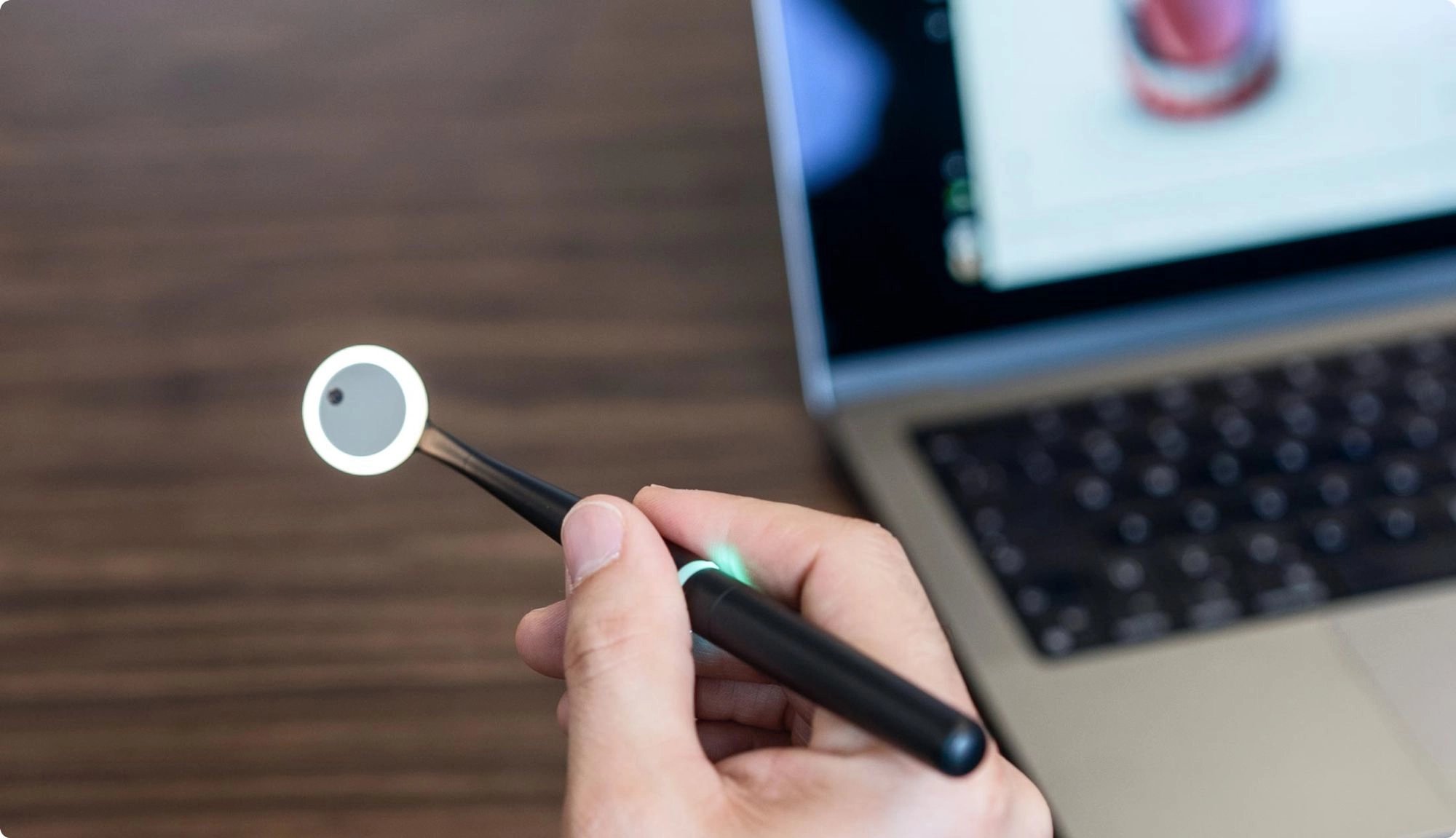
Halo Dental Technologies, founded by dentist Claude Chamoun, built a connected dental mirror with a camera and light that goes inside a patient's mouth and streams to a tablet. After years of hardware R&D they needed the software half. Osedea took the medical records platform from a six-week discovery phase through several proof-of-concept iterations to full delivery, covering natural language processing for speech-to-text tooth chart capture, computer vision to detect when the mirror is in the mouth and control the LEDs accordingly, image rotation and enhancement, firmware, and encryption. One hurdle was controlling Wifi Direct hardware from a web application, which browsers cannot do; the team wrote a custom micro-backend that acts as a local web server and relays commands. The build had to satisfy both HIPAA and GDPR, including the requirement that Canadian patient data stays in Canada, with encryption comprehensive enough that Osedea's own developers cannot read it. V1 shipped after a year. Read the Halo Dental case study.
How Much Does Osedea Healthcare Development Cost?
Osedea lists $150–$199 per hour, a minimum project size of $50,000+, and a cost rating of 4.7/5. Reported projects range from $10,000 to over $500,000, with the most common custom software engagement at $50,000–$199,999 across nine reviews. North American rates paired with a Canadian data residency story is a specific combination, and if your patients are in Canada it is worth paying for over a European team at half the rate.
What Do Clients Say About Working With Osedea?
"They are a great development team that can handle any challenge thrown at them."
Kyryll, Director of Applied Innovation, Promark
"What stood out most about Osedea was its customer-centric approach, focusing on design, user experience, user stories, and practicality before diving into technical implementation."
Nicholas Nadeau, CTO, SmartOne.ai
"We really got along well with the team, and the whole project felt very collaborative."
Adrienne Jung, CEO, eeva
The one recurring note is domain depth: some clients suggested that more industry-specific experts would strengthen the offering, which is a fair caution if what you need is clinical subject matter expertise on day one.
Why Do Businesses Choose Osedea?
Hardware-adjacent AI work, from computer vision and NLP to firmware and robotics, which very few product agencies will take on
SOC 2 Type II since 2022 plus practical experience holding HIPAA and GDPR simultaneously, including in-country data residency
UI/UX is named as a standout strength across reviews, unusual in a team this technical
The Mila partnership plugs client work into current AI research, not just last year's model releases
Bilingual Montreal delivery in a single North American time zone, with 9 languages spoken across the team
Sombra
Sombra is a global AI-first software development and consulting partner founded in 2013 in Lviv, Ukraine, now reporting 400+ specialists across the U.S., Europe, Latin America, Canada, India, and the Middle East, with offices including Kyiv, Poland, and Medellín. Healthcare sits alongside financial services, e-commerce, energy, logistics, and telecom in its industry mix, and data engineering is its single largest service line at 25%. The company states an average client engagement of nearly four years, an NPS of 70, that 98% of projects are delivered on time and within scope, an initial response inside 10 to 20 minutes for urgent inquiries, and a money-back guarantee policy. Its AI Lab exists to validate high-impact AI use cases before anyone commits to delivery.
Example Project by Sombra
A U.S. eClinical technology company collecting clinical trial data through a patient-facing mobile platform had a data problem that was getting worse as it grew. Sources sat in separate databases, the pipeline cost four times what it should have while running at 70% effectiveness, data arrived two hours late, and the analytics team was drowning in ad hoc report requests. Sombra assessed the existing solution, agreed a dedicated team model where the client owned priorities and Sombra owned delivery, and rebuilt the architecture: a three-layer data model of raw, trusted, and analytical, Apache Spark on Amazon EMR for distributed processing at hundreds of gigabytes, Airflow on AWS MWAA for orchestration, Redshift for the warehouse, and encryption in transit and at rest throughout. Infrastructure costs fell by 50%, sync latency dropped from two hours to under two minutes, and pipeline reliability reached 99.9%. Read the eClinical case study.
How Much Does Sombra Healthcare Development Cost?
Sombra lists $50–$99 per hour with the highest minimum project size in this list at $75,000+, and a cost rating of 4.7/5. Projects typically run from $20,000 to over $1 million, with the most common custom software engagement at $50,000–$199,999 across 21 reviews. Clients describe the developers as slightly pricier and more productive, which is the kind of trade the rate card cannot show you. The high minimum makes Sombra a poor fit for a first MVP and a strong one for a rebuild.
What Do Clients Say About Working With Sombra?
"The output that we receive from this team is phenomenal, having only two developers, one with the strength of 10, I am impressed with the outcome every sprint." - Irma Tittle, Product Manager, Health Solutions Company
"They collaborate effectively with other companies we work with. We've been highly impressed with their understanding of the business and experience." - Nemanja Prekovic, Head of Software Development & QA, Wifinity
"I'm impressed with the way Sombra works and guards their culture. They don't just hire random people; they have an intake process to bring people in." - Jason Emery, Software Engineering Manager, OANDA
Some clients noted limited industry-specific knowledge in niche verticals, which is what you would expect from a firm whose depth runs across engineering disciplines and not down into a single sector.
Why Do Businesses Choose Sombra?
Data engineering as a first-class practice, which is what most healthcare AI projects actually need before any model is trained
Team composition scales up and down inside the engagement, and clients repeatedly cite that flexibility
Nearly four years of average client engagement is a retention figure very few agencies publish
The AI Lab de-risks the use case before the delivery budget is committed
Distributed across six regions, so the delivery team can be placed in a time zone that matches your operations
Waverley Software
Waverley Software has been building software since 1992, founded by Matt Brown in Silicon Valley and headquartered in Palo Alto with development centers across Europe and Latin America, including Ukraine, Vietnam, Romania, Bulgaria, and Poland. The Clutch employee band is 250–999; the company describes a distributed team of 300+ specialists across three continents. All technical talent is in-house and never subcontracted, which is a meaningful claim in an industry where it often is. AI development is now 45% of the service mix, layered on three decades of embedded systems, IoT, and enterprise work with clients ranging from Fortune 500 companies to startups, including Toyota in automotive. Clutch and The Manifest named it a top AI developer and top chatbot company in Ukraine in 2024.
Example Project by Waverley Software
Addus is a national home care provider with more than 300 contracts, 30,000 consumers weekly, and 120 offices across 21 states. In early 2013 its aides were managing client relationships and internal communications by phone. Waverley designed and built the Addus Mobile Portal, a cross-platform app for schedule verification, messaging, booking, and cancellation, tracking open, scheduled, and completed visits alongside payroll information in one place. The engineering constraint was unglamorous and instructive: the JavaScript app had to support older Android and iOS versions, so the team built a deliberately simple interface with no complex animation, plus custom controls including a date and time picker wheel and an in-app chat view. Multilingual support and browser access from tablets and desktops came in the same release. When the original design request missed mobile-specific requirements, Waverley produced a free prototype in under a week instead of building to a flawed spec. Read the Addus case study.
How Much Does Waverley Software Healthcare Development Cost?
Waverley lists $50–$99 per hour, a minimum project size of $50,000+, and a cost rating of 4.7/5. It is the only company in this list whose most common project size sits in the $200,000–$999,999 band, across 16 reviews, with reported engagements running from $10,000 to over $2 million. That distribution tells you the shape of the business: Waverley is priced for multi-year enterprise programs, not for validating an idea.
What Do Clients Say About Working With Waverley Software?
"This was truly staff augmentation - the Waverley crew was part of the team. They're experts in their respective fields and proactively share suggestions at all stages of the process, from system design to requirements to QA automation to DevOps optimization." - Bridges Smith, VP Product, Financial Management Company
"I was most impressed with how Waverley Software let us engage with their developers since we had a lot of say in selecting our team." - David Fitzjarrell, SVP of Engineering, NTRINSEC Inc.
"Waverley worked as a true partner in creating our first mobile app. Waverley's designers, developers and project managers, whether located in Italy, Ukraine, or California, felt like an extension of our team in Illinois." - Inna Berkovich, CIO, Addus Homecare
A few reviewers mention occasional language barriers requiring adjustment, which the team is described as proactive about addressing.
Why Do Businesses Choose Waverley Software?
34 years of continuous operation through multiple downturns, which is the closest thing to a solvency guarantee an agency can offer on a five-year program
Clients get a say in selecting their developers, and every engineer on the team is a Waverley employee
Deep embedded, IoT, and hardware-integration experience, relevant to remote patient monitoring and connected device work
A CTO Office plus formal QA, blockchain, data science, and cybersecurity practices, so specialists come from a bench and not from a job board
Development centers on three continents allow teams to scale quickly without changing vendors
Citrusbug Technolabs
Citrusbug Technolabs is an AI-first product engineering company founded in 2013 in Ahmedabad, India, with 50–249 employees and 320+ client companies over 12 years. Its focus is LLM-driven applications, AI workflow automation, legacy modernization, and enterprise cloud architecture, with healthcare named as one of its core regulated domains alongside fintech, real estate, and logistics. Model fine-tuning, RAG architectures, and automation frameworks are core practice here, not an add-on service line. Its published client roster includes eClinicalWorks, Epic Systems, United Health, and Sun Pharma on the healthcare side. Co-founder Divyansh Khandelwal is a Certified Healthcare Quality Professional, alongside PMP, CSM, and SAFe certifications.
Example Project by Citrusbug Technolabs
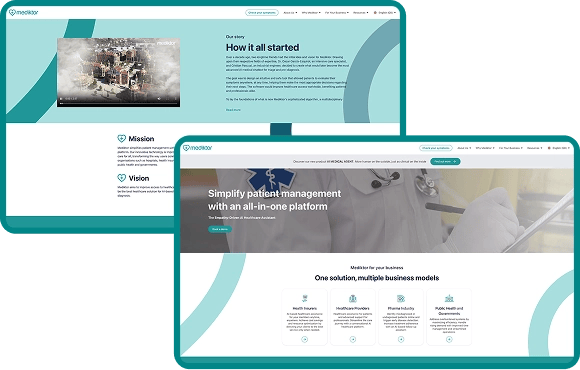
Mediktor is a Spain-based AI symptom assessment and clinical decision support platform used by health systems and insurers to standardize triage at the digital front door. The engineering problem was interpreting unstructured, patient-typed symptom descriptions across languages, ranking possible conditions probabilistically, and returning guidance fast enough to be usable in an intake flow, all without compromising clinical safety. Over a six-month engagement, Citrusbug built the NLP pipelines that convert free text into structured clinical features, the probabilistic diagnostic models that rank conditions and care pathways, real-time inference APIs, and the integration layer connecting the whole thing to partner health systems. The platform reached 92% triage accuracy against clinical evaluation standards, cut unnecessary consultations by 35%, completed symptom assessments 50% faster, and supports 10+ languages. Read the Mediktor case study.
How Much Does Citrusbug Technolabs Healthcare Development Cost?
Citrusbug lists $25–$49 per hour, a minimum project size of $10,000+, and a cost rating of 4.7/5. Project costs range from $10,000 to over $125,000, with the most common custom software engagement at $10,000–$49,999 across 15 reviews. It shares the lowest rate band in this list with Monterail but sits at a different point on the cost curve: the ceiling on reported project size is far lower, which points to scoped builds and team augmentation over multi-year platform ownership.
What Do Clients Say About Working With Citrusbug Technolabs?
"What stood out most to us was Citrusbug Technolabs' ability to adapt to the realities of a hospital setting. [...] Their team took the time to sit with our medical staff, listen to their daily challenges, and design solutions that felt natural in use. That human-centered approach is rare in software development and is what made the collaboration so successful." - Managing Director, German healthcare company (anonymous Clutch reviewer)
"I am impressed by their genuine, transparent communication and how their development team operates so closely with us that it felt like an extension of our own team." - Amir Ossanloo, Founder, Sunstrike Corp.
"What stood out most was the exceptional dedication of the entire team; every member consistently went above and beyond to ensure the project's success." - Arijit Mukherjee, Chief Executive, Repodime Systems
Several clients asked for more thorough written documentation for long-term internal reference, a fair thing to negotiate into the statement of work before you sign it.
Why Do Businesses Choose Citrusbug Technolabs?
Genuine AI depth in production systems, including NLP pipelines and probabilistic models running against clinical safety requirements
The lowest rate band here, paired with a 4.7/5 cost rating and a $10,000 entry point
Structured delivery with Jira and Trello tracking and regular progress meetings, which reviewers cite as a reason for repeat work
A healthcare quality professional in the founding team, not just engineers who have seen a HIPAA checklist
Willingness to observe clinical workflows in situ before designing, called out explicitly by a hospital client
What Makes a Great Healthcare Software Development Company?
A great healthcare software development company can tell you which regulatory regime your product falls under before you tell them, and can show you the paperwork proving they have worked inside it. Everything else follows from that.
Start with the compliance stack. HIPAA is the floor in the U.S., and the floor is rising. OCR's proposed Security Rule overhaul, published as an NPRM on December 27, 2024, would be the first significant rewrite in over two decades, moving multi-factor authentication, encryption, and network segmentation from "addressable" to required and adding mandatory technical testing intervals. As of mid-2026 the final rule is still pending. OCR received over 4,700 comments, and a coalition of more than 100 hospital systems and provider associations asked HHS to withdraw the proposal outright. Treat it as the direction of travel, not as settled law, and ask every vendor how they are preparing.
If your software is a medical device, HIPAA alone will not carry you. You need ISO 13485 for the quality management system, IEC 62304 for the software lifecycle, and ISO 14971 for risk management, with SOC 2 or HITRUST layered on for enterprise security assurance. IEC 62304 Edition 2 lands in 2026 and shifts more of the quality burden onto ISO 13485, which raises the value of a vendor's existing 13485 certificate. Momentum holds ISO 13485; Osedea holds SOC 2 Type II.
The second filter is integration literacy. "We do FHIR" is not an answer. Epic, Cerner, AthenaHealth, Allscripts, Veradigm, and NextGen differ in API maturity, sandbox access, and certification timelines, and a team that has shipped against three of them will scope your integration honestly. A team that has shipped against none will discover the problems on your clock.
Then there is clinical workflow, which is a separate skill from clinical data. The Citrusbug reviewer who described the team sitting with medical staff before designing was pointing at what separates usable clinical software from software that gets worked around. Elderly care receivers, home care aides on older Android phones, and dermatologists triaging image queues carry constraints that never make it into a requirements document.
Finally, ask for proof from a regulated build: a Class I certification, a triage accuracy figure validated against clinical standards, a platform live across three generations of users. Portfolio depth in healthcare is the only reliable proxy for the failure modes a team has already learned to avoid.
If you sell into Europe, one more date matters. The Digital Omnibus on AI, Regulation (EU) 2026/1744, entered into force on July 27, 2026, pushing high-risk obligations for standalone Annex III AI systems to December 2, 2027 and for AI embedded in MDR and IVDR-regulated devices to August 2, 2028. That buys time without removing the obligation, and the architecture you choose in 2026 sets how expensive the 2028 work will be.
How Much Does Healthcare Software Development Cost in 2026?
A HIPAA-compliant MVP costs roughly $40,000 to $100,000 in 2026. A mid-complexity product runs $100,000 to $250,000. An enterprise or EHR-integrated build starts around $250,000 and passes $500,000 without difficulty. Those figures assume an experienced team; they assume nothing about your regulatory pathway.
Hourly Rates by Region
Region | Typical hourly rate | Companies in this list |
|---|---|---|
United States and Canada (onshore) | $100–$250 | LaunchPad Lab, Osedea ($150–$199) |
Western Europe | $80–$150 | none in this list |
Central and Eastern Europe | $50–$100 | Momentum, Sombra, Waverley ($50–$99) |
Latin America | $40–$80 | Sombra and Waverley delivery centers |
India and South Asia | $25–$50 | Citrusbug ($25–$49) |
Regional benchmarks compiled from Arkenea, Keyhole Software, and comparable 2026 outsourcing rate surveys. Note the anomaly: Monterail sits in Poland at $25–$49, below the regional band, which is a reminder that published rate cards reflect engagement mix and blended team composition as much as geography.
What you are building | 2026 cost range | Typical timeline |
|---|---|---|
HIPAA-compliant MVP | $40,000–$100,000 | 3–6 months |
Mid-complexity product | $100,000–$250,000 | 6–12 months |
Enterprise or EHR-integrated platform | $250,000–$500,000+ | 12–24 months |
Single EHR integration | $15,000–$80,000 | 2–6 months |
Basic telemedicine app (video, scheduling, records, messaging) | $100,000–$150,000 | 4–8 months |
Advanced telemedicine (AI triage, RPM, full EHR integration) | $200,000–$300,000 | 9–18 months |
Annual maintenance | 15–20% of build cost per year | Ongoing |
The maintenance line is the one buyers forget. Fifteen to twenty percent annually covers security patching, regulatory change, infrastructure, monitoring, and iteration, and on a $300,000 platform that is $45,000 to $60,000 every year before you add a feature.
Engagement Models Compared
Model | What you are buying | Best for | Cost predictability |
|---|---|---|---|
Staff augmentation | Individual engineers into your existing team and process | You have a CTO, a roadmap, and a hiring gap | Low variance, you carry delivery risk |
Dedicated team | A standing cross-functional team; vendor manages delivery, you set priorities | Multi-quarter product work with evolving scope | Predictable monthly burn, scope flexes |
Fixed-scope project | A defined deliverable for a defined price | Well-understood scope, hard budget ceiling | High certainty, change requests are expensive |
Discovery or workshop engagement | Prototype, architecture, and risk assessment before commitment | Novel products, funding readiness, regulated pathways | Small fixed cost, de-risks the large one |
Sombra's eClinical engagement is a textbook dedicated team arrangement: the client set priorities and drove milestones, Sombra managed the team to hit them. LaunchPad Lab's Blueprint Workshop and Osedea's six-week discovery phase are the fourth row, and for a regulated product they are close to mandatory. Skipping discovery to save $20,000 is how a $150,000 build becomes a $400,000 rescue.
How Do You Choose the Right Healthcare Software Development Partner?
Work through these in order. Each one narrows the field before you look at rate cards.
1. Classify the product first. Is it a medical device under FDA or MDR rules, or is it health-adjacent software? Does it touch PHI? Does it use AI in a way that triggers high-risk classification in the EU? This single answer eliminates most of the market. An ISO 13485 vendor for a wellness app is overpaying; a general product agency for a Class IIa device is a project failure waiting for a notified body to confirm it.
2. Map the integration surface. List every external system: EHRs by name and vendor, pharmacy and lab systems, claims, e-prescribing, payment, identity, wearables. Each named integration is $15,000 to $80,000 and two to six months. This list, not the feature list, is what drives your budget.
3. Decide where data has to live. Canadian patient data in Canada, EU data under GDPR, U.S. PHI under HIPAA and BAA obligations. Data residency requirements can rule out an entire region of vendors regardless of technical fit, and finding that out in month four is expensive.
4. Pick the engagement model, then the tier. A first MVP with an uncertain scope wants a discovery engagement and then a dedicated team. A defined integration wants fixed scope. An in-house team with a capacity gap wants augmentation. Only now does the rate band matter, and only within the tier your product class allows.
5. Check the portfolio for your exact failure mode. Not "healthcare experience." Look for a project with your regulatory class, your integration count, and your user population. A team that shipped a caregiving platform for three generations of users has solved accessibility problems your dermatology research app will hit. A team that has only shipped internal dashboards has not.
6. Read the negative reviews. Every company in this list has a documented weakness, and every one of those weaknesses is manageable if you know about it before signing. Design capability, documentation depth, domain specificity, language, early alignment. The vendor with no criticisms in their reviews is the one whose reviews you have not read carefully enough.
Which Questions Should You Ask Before You Sign?
Ask these in the first two calls, and pay attention to how quickly the answers come.
"Which of our integrations have you shipped before, by vendor name?"
You want specific systems and specific timelines. Vagueness here predicts scope overrun better than any other signal.
"Who owns the quality management system, and can we see an audit certificate?"
For medical device work, ISO 13485 either exists and has been audited or it does not. There is no partial credit.
"How are you preparing for the HIPAA Security Rule update?"
A good answer engages with MFA, encryption, and segmentation as engineering defaults. A blank look tells you they are not tracking regulatory change.
"Who actually writes the code, and are they employees?"
Waverley's in-house-only policy is a differentiator precisely because subcontracting is common and rarely disclosed.
"What happens to the code and the knowledge if we leave?"
Repository ownership, documentation standards, handover process, and notice period, in writing. Citrusbug's documentation feedback is a reminder to specify all four and assume none of them.
"What did the last project like ours cost, and what went wrong?"
A team that cannot describe a failure has either not shipped enough or is not being straight with you.
"Who is on the team, and can we interview them?"
Sold-team-versus-delivered-team substitution is the oldest problem in agency work. Clients cite LaunchPad Lab and Waverley for letting them select their developers.
Which Healthcare Software Development Partner Fits Your 2026 Roadmap?
The seven companies here span an eight-fold range in hourly rate, and that range predicts almost nothing about what your project will cost. What predicts it is regulatory class, integration count, and whether the team has done it before. A $199-per-hour Montreal firm holding SOC 2 and shipping HIPAA and GDPR simultaneously is cheaper than a $30-per-hour team that has to learn both on your timeline, and a Wrocław studio at $40 per hour with 75 healthcare apps behind it may be cheaper than either.
Match the tier to the product. Validating a HealthTech idea with a $50,000 budget points toward Monterail, LaunchPad Lab's Blueprint Workshop, or Citrusbug. Building a medical device with a regulatory submission ahead of it points toward Momentum's ISO 13485 or Osedea's certified security posture. Fixing a data platform that is throttling your analytics points toward Sombra. Committing to a multi-year enterprise program points toward Waverley. None of these is the best company on the list, because there is no such thing.
The decision that costs the most is the one made in the wrong order: choosing a vendor by rate, then discovering the regulatory pathway. Classify the product first.
Key Takeaways
Hourly rate spans $25 to $199 across these seven companies, and it is the weakest available predictor of total project cost in a regulated build.
Budget $40,000–$100,000 for a HIPAA-compliant MVP, $250,000–$500,000+ for an EHR-integrated enterprise platform, plus 15–20% of build cost annually for maintenance that most buyers omit from the business case.
Each named EHR integration adds $15,000–$80,000 and two to six months, which makes the integration list, not the feature list, your real budget driver.
If your software is a medical device, ISO 13485 and IEC 62304 are non-negotiable and HIPAA compliance alone will not carry you through a submission. IEC 62304 Edition 2 arrives in 2026 and pushes more weight onto the ISO 13485 quality system.
The HIPAA Security Rule rewrite is still pending as of mid-2026 with an uncertain outcome, and the EU's Digital Omnibus moved AI-in-medical-device obligations to August 2, 2028. Both are reasons to build to the stricter standard now rather than retrofit later.
Health Tech FAQ

Grzegorz Hajdukiewicz
Chief Delivery Officer

With over a decade of experience in the IT industry, Grzegorz has a proven track record of delivering complex projects on time and on budget. At Monterail, he leads a team of dozens of developers, designers, project managers, and business analysts, ensuring the successful delivery of software solutions for clients worldwide. Passionate about agile methodologies and continuous improvement, he constantly seeks new ways to optimize the delivery process.